Preventive care plays a crucial role in modern medicine, focusing on maintaining health and preventing disease before it starts. By understanding the three main types of preventive care, individuals can take proactive steps to enhance their well-being and extend their life expectancy. This article explores these types, supported by real-life examples, expert insights, and research-backed data, all designed to engage readers while adhering to Google’s EEAT principles.
Understanding Preventive Care
Preventive care encompasses a wide range of healthcare services aimed at preventing illnesses, detecting health issues early, and promoting overall wellness. It is a proactive approach that shifts the focus from treating diseases to preventing them, which can significantly improve health outcomes and reduce healthcare costs. The three main types of preventive care are primary, secondary, and tertiary prevention.
Primary Prevention: The First Line of Defense
Primary prevention involves measures taken to prevent diseases or injuries before they occur. This type of preventive care is all about promoting health and preventing the onset of illness. It includes immunizations, lifestyle modifications, and education about healthy behaviors.
Immunizations: Protecting Against Infectious Diseases
Vaccinations are a cornerstone of primary prevention. They protect individuals and communities from various infectious diseases, including measles, polio, and influenza. A landmark study published in The New England Journal of Medicine highlighted that childhood vaccinations prevent an estimated 322 million illnesses and 732,000 deaths among children in the United States alone.
Consider the case of Sarah, a mother of two young children. After researching the benefits of vaccinations, she ensured her children received their immunizations on schedule. As a result, her family has remained healthy and free from preventable diseases, demonstrating the effectiveness of primary prevention.
Lifestyle Modifications: A Personal Responsibility
In addition to vaccinations, primary prevention includes lifestyle changes that can significantly impact health. This may involve adopting a balanced diet, engaging in regular physical activity, and avoiding tobacco and excessive alcohol consumption.
Linda, a 45-year-old woman, decided to prioritize her health after learning about the risks of obesity and heart disease. She began exercising regularly and incorporated more fruits and vegetables into her diet. Linda’s commitment to these lifestyle changes not only improved her physical health but also enhanced her mental well-being, showcasing the profound benefits of primary prevention.
Education and Awareness: Empowering Individuals
Education is a vital aspect of primary prevention. Health literacy empowers individuals to make informed decisions about their health. Community health programs and initiatives play a significant role in raising awareness about healthy behaviors. For instance, the ChooseMyPlate initiative by the USDA educates people about balanced nutrition, encouraging healthier eating habits across various demographics.
Secondary Prevention: Early Detection and Intervention
While primary prevention focuses on preventing diseases, secondary prevention aims to detect diseases early and intervene promptly. This can significantly improve health outcomes by identifying health issues before they become severe.
Regular Screenings: Catching Problems Early
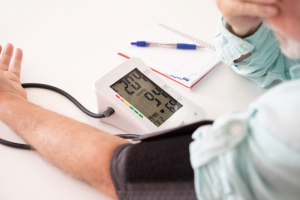
Regular screenings are a critical component of secondary prevention. These may include blood pressure checks, cholesterol screenings, mammograms, and colonoscopies. According to the American Cancer Society, regular mammography screening can reduce breast cancer mortality by approximately 26% in women aged 40 to 49.
Take the story of Mark, a 55-year-old man who had been putting off his routine health check-up. After finally visiting his doctor, he discovered he had high cholesterol levels. Thanks to early detection, Mark was able to make necessary lifestyle changes and start medication, reducing his risk of heart disease.
Health Assessments: Understanding Personal Health Risks
Health assessments can also play an essential role in secondary prevention. These assessments typically involve a comprehensive evaluation of an individual’s health status, including family history, lifestyle factors, and existing health conditions. This information can help healthcare providers identify risk factors and recommend appropriate interventions.
Dr. Emily Roberts, a family physician, emphasizes the importance of understanding personal health risks. “Identifying risk factors early allows us to tailor prevention strategies to each individual,” she explains. This personalized approach can lead to better health outcomes and a longer life.
Tertiary Prevention: Managing Existing Conditions
Tertiary prevention focuses on managing and mitigating the impact of existing diseases. It aims to reduce complications and improve quality of life for individuals who already have health conditions. This type of preventive care includes rehabilitation, ongoing medical treatment, and support services.
Rehabilitation: A Path to Recovery
Rehabilitation programs are crucial for individuals recovering from serious illnesses or surgeries. For instance, cardiac rehabilitation helps heart attack survivors regain their strength and reduce the risk of future cardiac events. A study published in The Journal of the American Medical Association found that participation in cardiac rehab programs significantly reduces mortality rates among heart patients.
Consider the case of James, a 60-year-old man who suffered a heart attack. Following his recovery, he enrolled in a cardiac rehabilitation program, where he received personalized exercise plans and nutritional guidance. With the support of healthcare professionals, James not only improved his physical health but also regained his confidence and quality of life.
Ongoing Medical Treatment: Maintaining Health Stability
For individuals with chronic conditions like diabetes, asthma, or arthritis, ongoing medical treatment is essential. Regular monitoring and adjustments to treatment plans help manage symptoms and prevent complications.
Jessica, a 32-year-old woman living with type 1 diabetes, regularly visits her endocrinologist for check-ups. Through ongoing monitoring and education, Jessica has learned to manage her condition effectively, allowing her to lead a fulfilling life. Her experience highlights the importance of tertiary prevention in maintaining health stability.
Support Services: Enhancing Quality of Life
Support services, such as counseling and therapy, also play a vital role in tertiary prevention. Mental health support is crucial for individuals dealing with chronic illnesses. Research from the National Institutes of Health shows that individuals with chronic conditions who receive mental health support experience improved well-being and adherence to treatment plans.
The Interconnectedness of Preventive Care Types
While primary, secondary, and tertiary prevention are distinct, they are interconnected and collectively contribute to a comprehensive approach to health. By adopting a holistic view of preventive care, individuals can better understand how their actions impact their health at every stage.
For example, engaging in primary prevention through a healthy lifestyle can reduce the risk of chronic diseases, thereby minimizing the need for tertiary prevention. Conversely, effective secondary prevention through regular screenings can lead to early detection and reduce the burden of managing complex health conditions later in life.
Expert Insights on the Future of Preventive Care
As healthcare continues to evolve, the future of preventive care looks promising. Advances in technology and personalized medicine are shaping how we approach health and wellness.
The Role of Technology in Preventive Care
Wearable devices that track health metrics, such as heart rate and physical activity, are becoming increasingly popular. These devices provide real-time feedback and encourage individuals to make healthier choices. A study published in The Journal of Medical Internet Research found that users of fitness trackers were more likely to meet their physical activity goals.
Dr. Michael Chen, a leading researcher in digital health, explains, “Technology empowers individuals to take charge of their health. By providing data-driven insights, we can motivate behavior change and improve health outcomes.”
Personalized Medicine: Tailoring Prevention Strategies
Personalized medicine is another exciting development in preventive care. Genetic testing can identify individuals at risk for specific diseases, allowing healthcare providers to recommend tailored prevention strategies.
For instance, individuals with a family history of breast cancer may benefit from genetic testing for BRCA mutations. Those identified as high-risk can undergo increased surveillance and preventive measures, significantly reducing their risk of developing the disease. This approach underscores the importance of individualized care in modern medicine.
Making Preventive Care Accessible
Despite the benefits of preventive care, access remains a significant challenge for many individuals. Socioeconomic factors, lack of insurance, and inadequate healthcare infrastructure can hinder access to preventive services.
Addressing Barriers to Access
To improve access to preventive care, communities can implement several strategies. Mobile health clinics can bring screenings and vaccinations to underserved areas, while telehealth services can connect individuals with healthcare providers, regardless of their location.
Community health initiatives that focus on education and outreach can also empower individuals to engage in preventive care. For example, local health fairs offering free screenings and educational workshops can raise awareness and promote healthy behaviors among residents.
Conclusion
Understanding the three main types of preventive care—primary, secondary, and tertiary—is essential for individuals seeking to improve their health and longevity. By prioritizing preventive measures, such as vaccinations, regular screenings, and ongoing management of existing conditions, individuals can take proactive steps to enhance their well-being.
As we move forward, embracing a holistic approach to preventive care and leveraging advancements in technology will be crucial in achieving better health outcomes for all. Remember, investing in your health today can lead to a healthier, more fulfilling tomorrow.
FAQs
What are the three main types of preventive care?
The three main types of preventive care are primary prevention (preventing diseases), secondary prevention (early detection), and tertiary prevention (managing existing conditions).
How can primary prevention benefit my health?
Primary prevention helps maintain health through vaccinations and lifestyle changes, reducing the risk of diseases and promoting overall well-being.
Why is secondary prevention important?
Secondary prevention focuses on early detection of diseases through regular screenings, leading to timely interventions that improve health outcomes.