Hypertension, commonly known as high blood pressure, is a silent yet prevalent health issue affecting millions worldwide. Often dubbed the “silent killer,” hypertension can lead to serious health complications such as heart disease, stroke, and kidney failure if left unchecked. However, managing hypertension is not only possible but also essential for maintaining overall health and well-being. This complete guide aims to provide you with the knowledge and tools necessary to understand, monitor, and manage your blood pressure effectively.
Understanding Hypertension
Hypertension is defined as having a blood pressure reading consistently above 130/80 mmHg. Blood pressure measures the force of blood against the walls of the arteries, and when this force is too high, it can damage blood vessels and lead to various health problems. The American Heart Association categorizes blood pressure levels into several ranges, from normal to hypertensive crisis.
The Importance of Monitoring Blood Pressure
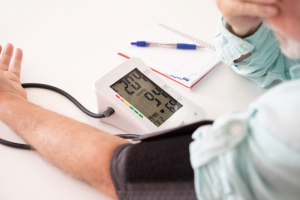
Regular monitoring of blood pressure is crucial for early detection and management of hypertension. Many individuals may not exhibit symptoms, making it vital to check blood pressure regularly. Home monitoring devices have become increasingly accessible, allowing individuals to track their blood pressure conveniently.
Consider the case of Tom, a 50-year-old man who decided to invest in a home blood pressure monitor. After a few weeks of tracking his readings, he noticed consistent elevations in his blood pressure. Concerned, Tom consulted his healthcare provider, who confirmed that he was indeed hypertensive. Thanks to his proactive approach, Tom could begin lifestyle changes and medication to manage his condition effectively.
Causes of Hypertension
Understanding the causes of hypertension is essential for effective management. Hypertension can result from a combination of genetic, environmental, and lifestyle factors. Some common causes include:
Genetics and Family History
A family history of hypertension can increase the likelihood of developing the condition. If your parents or siblings have high blood pressure, you may be at a higher risk.
Lifestyle Factors
Unhealthy lifestyle choices can significantly contribute to hypertension. Factors such as a poor diet high in sodium and saturated fats, lack of physical activity, excessive alcohol consumption, and tobacco use can elevate blood pressure levels.
Stress and Mental Health
Chronic stress can also impact blood pressure. When faced with stress, the body releases hormones that temporarily increase blood pressure. If stress persists, it can lead to long-term hypertension.
The Health Risks of Unmanaged Hypertension
Hypertension can lead to severe health complications if not managed effectively. These risks include:
Heart Disease
High blood pressure places extra strain on the heart, leading to conditions such as coronary artery disease, heart failure, and left ventricular hypertrophy. According to the CDC, nearly 697,000 people died from heart disease in the United States in 2020, with hypertension being a significant contributing factor.
Stroke
Hypertension is a leading risk factor for stroke. High blood pressure can damage blood vessels in the brain, leading to a stroke when blood flow is interrupted. The risk of stroke doubles with each increase of 20 mmHg in systolic blood pressure.
Kidney Damage
The kidneys play a crucial role in filtering waste from the blood, and hypertension can damage the blood vessels in the kidneys, reducing their ability to function. This can lead to chronic kidney disease and, in severe cases, kidney failure.
Vision Loss
Hypertensive retinopathy is a condition caused by damage to the blood vessels in the retina, leading to vision problems or even blindness. Regular eye exams can help detect changes in the eyes due to high blood pressure.
Strategies for Managing Hypertension
Managing hypertension involves a combination of lifestyle changes, medication, and regular monitoring. Here are effective strategies to help you maintain healthy blood pressure levels.
1. Adopt a Heart-Healthy Diet
Diet plays a crucial role in managing hypertension. The Dietary Approaches to Stop Hypertension (DASH) diet is highly recommended for individuals with high blood pressure. This plan emphasizes:
- Fruits and vegetables
- Whole grains
- Lean proteins (such as poultry, fish, and legumes)
- Low-fat dairy products
- Nuts and seeds
Reducing sodium intake is equally important. The American Heart Association recommends limiting sodium to less than 2,300 mg per day, with an ideal limit of 1,500 mg for those with hypertension. Cooking at home and avoiding processed foods can help manage sodium levels effectively.
2. Engage in Regular Physical Activity
Physical activity is vital for maintaining healthy blood pressure levels. Regular exercise strengthens the heart and improves blood circulation. Aim for at least 150 minutes of moderate-intensity aerobic exercise each week. Activities such as walking, swimming, cycling, and dancing are excellent choices.
Consider the story of Maria, a 45-year-old woman who struggled with high blood pressure. After incorporating regular exercise into her routine, she lost weight and experienced significant improvements in her blood pressure readings. Maria’s journey highlights the transformative power of physical activity in managing hypertension.
3. Maintain a Healthy Weight
Excess weight can contribute to high blood pressure, making weight management essential. Losing even a small amount of weight can have a positive impact on blood pressure levels. Combining a heart-healthy diet with regular exercise can help you achieve and maintain a healthy weight.
4. Limit Alcohol Consumption
Excessive alcohol intake can raise blood pressure levels. The American Heart Association recommends limiting alcohol to one drink per day for women and two drinks per day for men. Be mindful of your drinking habits and consider alternatives if necessary.
5. Quit Smoking
Smoking is a significant risk factor for hypertension and heart disease. Quitting smoking can improve overall health and help lower blood pressure. Seek support from healthcare providers, support groups, or smoking cessation programs to increase your chances of success.
6. Manage Stress Effectively
Chronic stress can contribute to hypertension, so finding effective stress management techniques is essential. Practices such as mindfulness, meditation, deep breathing exercises, and yoga can help you cope with stress and reduce its impact on blood pressure.
7. Monitor Blood Pressure Regularly
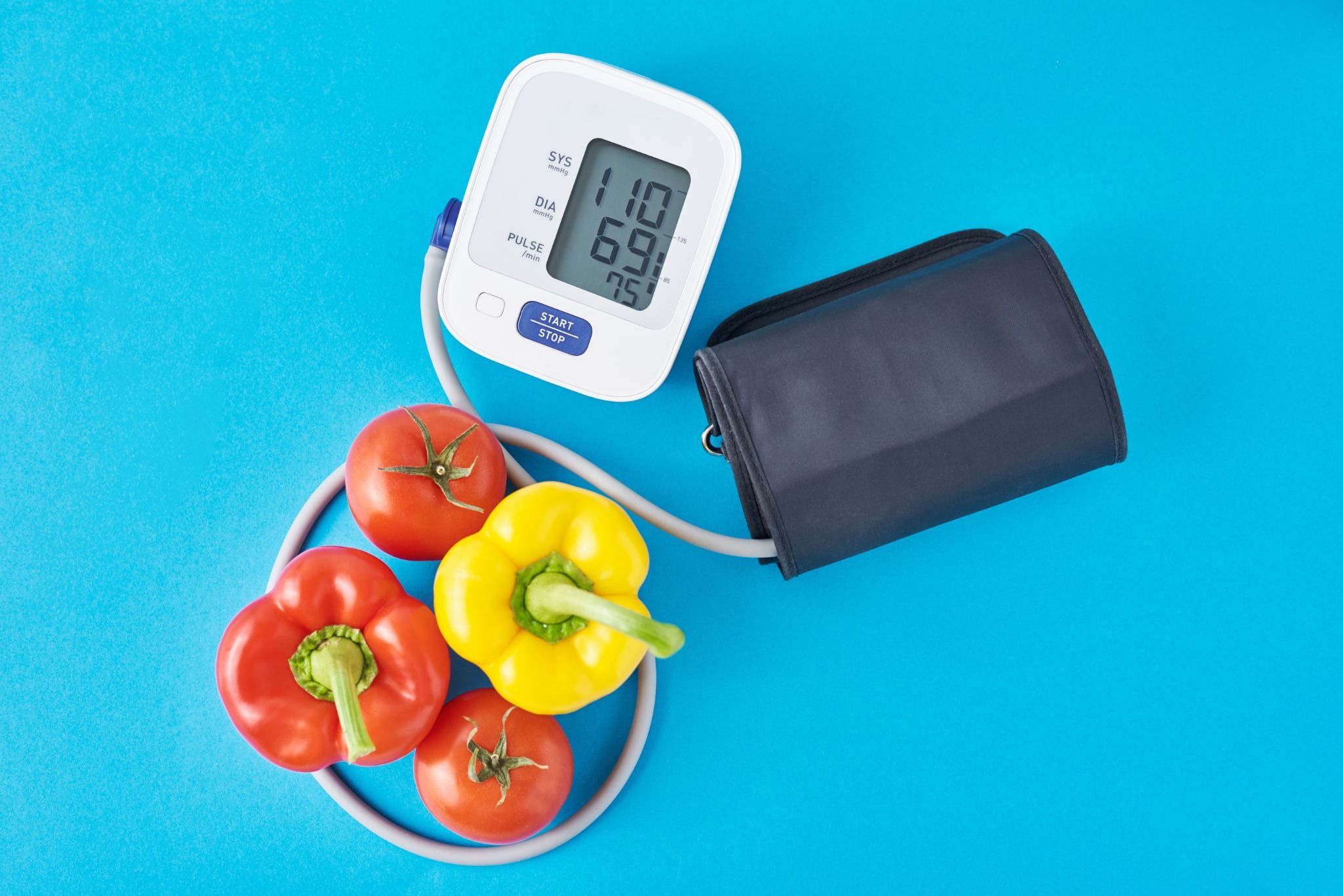
Regular monitoring of blood pressure is crucial for managing hypertension. Home blood pressure monitors are widely available and easy to use. Keep a record of your readings and share them with your healthcare provider during check-ups. This information can help guide treatment decisions and lifestyle changes.
8. Follow Your Healthcare Provider’s Recommendations
If lifestyle changes alone are insufficient to control your blood pressure, your healthcare provider may prescribe medication. Several types of antihypertensive medications are available, including diuretics, ACE inhibitors, and calcium channel blockers. It’s essential to follow your provider’s recommendations and take medications as prescribed.
The Role of Healthcare Providers in Managing Hypertension
Healthcare providers play a vital role in managing hypertension. Regular check-ups and consultations can help individuals develop effective management plans tailored to their needs. Providers can also offer guidance on lifestyle changes, medication management, and monitoring strategies.
Dr. John Anderson, a cardiologist, emphasizes the importance of teamwork in managing hypertension. “Patients should feel empowered to take charge of their health. Regular communication with healthcare providers can lead to better outcomes,” he explains. This collaborative approach fosters a supportive environment for individuals seeking to manage their blood pressure effectively.
Real-Life Success Stories
The Journey of David
David, a 60-year-old retiree, was diagnosed with hypertension during a routine check-up. Initially overwhelmed, he decided to take control of his health. By adopting the DASH diet, engaging in regular walks, and monitoring his blood pressure at home, David was able to lower his readings significantly within six months. His story serves as an inspiring reminder that positive changes can lead to improved health outcomes.
Sarah’s Transformation
Sarah, a 35-year-old mother of two, struggled with elevated blood pressure due to stress and an unhealthy diet. After attending a community health workshop, she learned about the importance of nutrition and stress management. Sarah implemented changes to her diet, incorporated yoga into her routine, and sought support from friends and family. Over time, her blood pressure stabilized, and she felt more energetic and balanced.
Conclusion
Managing hypertension is a crucial aspect of maintaining overall health and preventing serious complications. By understanding the causes, risks, and strategies for managing high blood pressure, individuals can take proactive steps toward a healthier lifestyle. Remember that every small change counts, and seeking support from healthcare providers can make a significant difference in your journey to managing hypertension effectively.
FAQs
What is considered high blood pressure?
High blood pressure is defined as a reading consistently above 130/80 mmHg. Regular monitoring is essential for early detection.
How can I lower my blood pressure naturally?
You can lower your blood pressure naturally through a heart-healthy diet, regular exercise, maintaining a healthy weight, and managing stress.
When should I see a doctor about my blood pressure?
Consult a healthcare provider if you consistently record high blood pressure readings or experience symptoms such as headaches or dizziness.