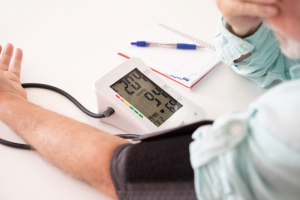

Visiting a new family doctor can be both exciting and nerve-wracking. As you prepare for your first appointment, you may wonder what to bring along to ensure that the visit goes smoothly. Proper family doctor appointment prep not only helps you feel more confident but also allows the doctor to provide you with the best possible care. This article will guide you through the essential items to bring and tips to keep in mind for your first visit.
Understanding the Importance of Preparation
Preparation for a medical appointment is crucial for several reasons. First, arriving with the necessary information allows the healthcare provider to understand your medical history better. This can lead to more accurate diagnoses and effective treatment plans. Second, being prepared can help alleviate any anxiety you might feel about the visit. Knowing you have everything you need can give you peace of mind.
Real-Life Example: A Smoother Experience
Consider the experience of Sarah, who was nervous about her first appointment with a new family doctor. She took the time to prepare by gathering her medical records, listing her medications, and writing down her questions. As a result, Sarah felt more at ease during the appointment and was able to communicate her health concerns effectively. This preparation led to a productive and informative visit, highlighting the benefits of being well-prepared.
Key Items to Bring to Your First Appointment
When it comes to family doctor appointment prep, there are several essential items you should consider bringing to your first visit. Here’s a comprehensive list to ensure you are fully prepared.
Identification and Insurance Information
One of the first things you should bring is your identification, such as a driver’s license or a government-issued ID. This helps the office verify your identity and ensures that all your information is accurate. Additionally, if you have health insurance, bring your insurance card. This will allow the doctor’s office to process your insurance claims correctly.
Expert Insight: Importance of Accurate Information
According to Dr. Jane Smith, a family physician, “Having your identification and insurance information readily available speeds up the check-in process and helps avoid any billing issues later.”
Medical History
Your medical history is an essential part of your family doctor appointment prep. This includes information about past illnesses, surgeries, and any chronic conditions you may have. If you have had recent hospitalizations or visits to specialists, be sure to mention those as well.
How to Compile Your Medical History
Gather any medical records you may have, or prepare a written summary. Include details about any allergies, family medical history, and previous treatments you’ve undergone. If you are unsure about certain details, it’s okay to mention that during your appointment.
Current Medications
Make a list of all current medications you are taking, including prescription drugs, over-the-counter medications, vitamins, and supplements. Include the dosage and frequency for each medication. This information helps your new doctor understand your current treatment plan and identify any potential drug interactions.
Example: A Patient’s Medication List
For instance, if you take a medication like lisinopril for high blood pressure and a multivitamin daily, your list should look something like this:
- Lisinopril 10 mg, once daily
- Ibuprofen 200 mg, as needed for pain
- Multivitamin, once daily
Questions and Concerns
As you prepare for your first appointment, take a moment to jot down any questions or concerns you may have. This could include inquiries about your health, lifestyle changes, or any specific symptoms you want to discuss.
Why Questions Matter
Having a list of questions can help you get the most out of your visit. It ensures that you don’t forget to address important topics during the appointment. Dr. Mark Thompson, a family practitioner, advises, “Patients who come prepared with questions tend to have more productive visits. It opens the door for meaningful conversations.”
Personal Health Goals
Consider bringing a brief outline of your personal health goals. Whether you want to lose weight, manage stress, or improve your diet, sharing these goals with your doctor can help them tailor their advice and recommendations to your specific needs.
Family Medical History
Family medical history can significantly influence your health. Be prepared to discuss your family’s medical background, including any hereditary conditions that may be relevant. This information can help your doctor assess your risks for certain diseases and recommend appropriate screenings or preventative measures.
Comfort Items
Finally, don’t forget to bring items that make you feel comfortable during the appointment. This might include a book, a notebook, or even a stress ball. These items can help reduce anxiety and make the experience more pleasant.
Arriving at the Appointment
As you prepare for the appointment, it’s essential to consider how you will arrive. Plan to arrive a little early to allow time for check-in and any paperwork that may need to be completed.
What to Expect During Your First Appointment
Upon arriving, you will typically check in at the front desk. The staff may ask for your identification and insurance information and provide you with any necessary forms to fill out. After check-in, you will wait in the waiting room until your name is called.
The Initial Consultation
When you meet the doctor, they will likely ask questions about your medical history, current medications, and any health concerns you have. This is your opportunity to share your list of questions and discuss your health goals.
Importance of Open Communication
Effective communication is key during this initial visit. Be honest about your health history and any symptoms you are experiencing. This openness allows your doctor to provide the best possible care tailored to your needs.
Follow-Up After Your Appointment
After your first appointment, it’s essential to take note of any recommendations or follow-up appointments discussed during your visit. If your doctor orders any tests or screenings, make sure to schedule those promptly.
Keeping Records
Consider maintaining a health journal where you can keep track of your appointments, medications, and any health changes. This can be a valuable resource for future visits and help you stay organized.
Real-Life Example: A Patient’s Journey
Take the example of John, who had his first appointment with a new family doctor. He diligently followed up on all recommendations, kept track of his medications, and noted any changes in his health. As a result, he was able to build a strong partnership with his doctor, leading to better health outcomes.
Conclusion
Preparing for your first appointment with a new family doctor can seem daunting, but with proper family doctor appointment prep, you can ensure a smooth and productive visit. By gathering essential documents, compiling your medical history, and preparing questions, you set the stage for effective communication and personalized care.
Remember, your family doctor is there to help you achieve your health goals and enhance your well-being. By coming prepared, you can make the most of your appointment and establish a strong foundation for your healthcare journey.
FAQs
What should I bring to my first family doctor appointment?
Bring your identification, insurance information, medical history, current medications, and a list of questions or concerns.
Why is it important to bring a list of medications?
A list of medications helps your doctor understand your current treatment plan and identify potential drug interactions.
How can I prepare my medical history?
Compile a brief summary of past illnesses, surgeries, allergies, and family medical history to share with your doctor.
What should I expect during my first appointment?
Expect to discuss your medical history, current health concerns, and any questions you have. Your doctor may also conduct a physical examination.
How can I follow up after my appointment?
Keep track of any recommendations, schedule necessary tests, and maintain a health journal to monitor your progress.