Pregnancy is one of the most important stages in a woman’s life. The health decisions made during the first few weeks can affect both the mother and the baby for months or even years ahead. Early prenatal care refers to medical attention and health monitoring that begins as soon as pregnancy is confirmed or even suspected. Doctors generally recommend scheduling the first prenatal visit during the first trimester because this period is crucial for fetal development and maternal health stability. The importance of early prenatal care goes far beyond routine checkups. It helps identify health concerns early, supports healthy fetal growth, reduces pregnancy risks, and gives mothers the information they need to make safer choices during pregnancy.
Many women assume prenatal visits are only necessary later in pregnancy when physical changes become more noticeable. However, the earliest weeks are often the most sensitive stage of fetal formation. During this time, the baby’s brain, spinal cord, heart, and major organs begin developing rapidly. Without proper monitoring and support, health complications may remain unnoticed until they become more serious. Early prenatal care creates a foundation for a healthier pregnancy journey and improves outcomes for both mother and child.
The First Weeks of Pregnancy Shape Long-Term Health
Why the First Trimester Requires Immediate Attention
The first trimester is often considered the most delicate stage of pregnancy because the baby’s organs and body systems begin forming during these weeks. Even before many women visibly appear pregnant, critical developmental processes are already taking place inside the womb. Early prenatal care helps ensure these developments happen under healthy conditions. Doctors can identify nutritional deficiencies, chronic illnesses, infections, or hormonal imbalances that may interfere with healthy fetal growth.
Medical professionals also use early visits to calculate the due date accurately, review family medical history, and discuss lifestyle factors that could affect pregnancy outcomes. Women with diabetes, thyroid conditions, hypertension, or autoimmune disorders especially benefit from immediate prenatal supervision because unmanaged conditions can increase complications for both mother and baby. Early intervention often reduces these risks significantly.
Another important reason for beginning care early is the prevention of harmful exposures. Certain medications, smoking, alcohol use, environmental toxins, or poor nutrition can negatively affect fetal development during the first trimester. Many women are unaware of these risks until they receive professional guidance. Prenatal appointments provide timely education that helps mothers make healthier choices before complications arise.
How Doctors Track Early Fetal Development
One of the biggest benefits of early prenatal care is the ability to monitor fetal growth from the very beginning. Ultrasounds, blood tests, and physical evaluations allow healthcare providers to confirm pregnancy health and identify potential concerns early. Monitoring fetal heartbeat, growth patterns, and hormone levels gives doctors valuable information about pregnancy progress.
Early testing can also help detect ectopic pregnancies, miscarriages, or genetic concerns before they become life-threatening or emotionally devastating emergencies. Detecting problems early does not always eliminate risk, but it often allows healthcare teams to manage conditions more effectively and improve overall outcomes.
Healthcare providers also assess maternal weight, blood pressure, hydration levels, and nutritional health during these early appointments. Small changes in these factors can reveal larger underlying issues that require medical attention. Consistent monitoring helps maintain stability throughout pregnancy and creates a safer environment for fetal development.
How Early Prenatal Care Supports Maternal Health
Monitoring Blood Pressure, Nutrition, and Hormonal Changes
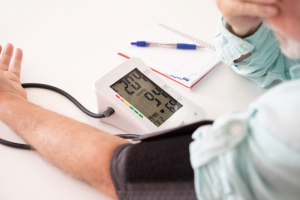
Pregnancy places significant demands on the female body. Hormones fluctuate rapidly, blood volume increases, metabolism changes, and nutritional needs become more complex. Early prenatal care helps doctors monitor these physical changes before they develop into serious health problems. Blood pressure checks are especially important because high blood pressure during pregnancy can lead to dangerous complications such as preeclampsia.
Nutrition is another major focus during prenatal visits. Many women enter pregnancy with vitamin deficiencies or unhealthy eating habits without realizing the potential effects on fetal growth. Doctors often recommend prenatal vitamins containing folic acid, iron, calcium, and other nutrients necessary for healthy pregnancy development. Folic acid is particularly important during early pregnancy because it helps reduce neural tube defects in the developing baby.
Hormonal evaluations also help detect thyroid problems, gestational diabetes risk, or reproductive hormone imbalances that could interfere with pregnancy progression. Treating these issues early helps stabilize the mother’s health while supporting fetal development.
Preventing Pregnancy Complications Before They Become Serious
The importance of early prenatal care becomes especially clear when considering pregnancy complications. Conditions like gestational diabetes, anemia, infections, or high blood pressure can become dangerous if left untreated. Early medical supervision helps identify warning signs before complications reach advanced stages.
For example, untreated urinary tract infections during pregnancy may increase the risk of kidney infections or premature labor. Similarly, undiagnosed gestational diabetes can affect fetal growth and increase delivery complications. Prenatal visits allow healthcare providers to detect these conditions through screening tests and provide treatment immediately.
Women who receive early and consistent prenatal care generally experience lower rates of premature birth, low birth weight, and pregnancy-related emergencies. Preventive healthcare during pregnancy is far more effective than emergency treatment later in the process.
The Impact of Early Prenatal Care on Baby Development
Healthy fetal development depends heavily on maternal health and prenatal monitoring. Babies develop rapidly during pregnancy, especially during the first trimester when organs and nervous system structures form. Prenatal care helps ensure babies receive the nutrients, oxygen, and stable environment they need for healthy growth.
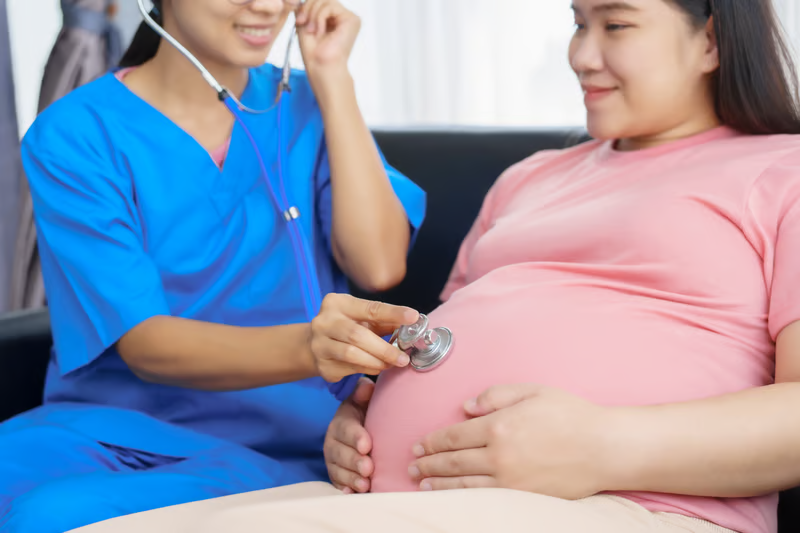
Doctors use prenatal appointments to monitor fetal heartbeat, movement, and developmental progress. Growth restrictions or abnormalities can often be detected earlier when mothers attend regular checkups. Early detection allows healthcare providers to recommend specialized care or medical interventions when necessary.
Prenatal care also reduces the likelihood of premature birth and low birth weight, both of which are associated with long-term developmental challenges. Babies born prematurely often face breathing problems, immune system weakness, feeding difficulties, and delayed cognitive development. Regular monitoring helps lower these risks significantly.
Vaccinations and maternal infection screenings also protect unborn babies from preventable illnesses. Certain infections during pregnancy may affect hearing, vision, brain development, or organ function in newborns. Early medical care helps reduce exposure and improve protection during vulnerable developmental stages.
Emotional and Mental Benefits of Regular Pregnancy Checkups
Building Confidence Through Professional Guidance
Pregnancy can feel overwhelming, especially for first-time mothers. Questions about nutrition, exercise, labor, symptoms, and fetal health often create anxiety and uncertainty. Early prenatal care provides professional reassurance and emotional support throughout pregnancy.
Regular appointments allow women to discuss concerns openly with healthcare providers and receive medically accurate advice. Understanding what changes are normal and what symptoms require attention helps mothers feel more confident and prepared. This emotional reassurance often reduces unnecessary fear and stress during pregnancy.
Prenatal education also empowers women to take an active role in their health decisions. Learning about labor preparation, breastfeeding, newborn care, and recovery gives expectant mothers a greater sense of control and readiness for parenthood.
Reducing Stress and Pregnancy Anxiety
Mental health plays a major role in pregnancy outcomes. Chronic stress and anxiety may affect sleep, blood pressure, appetite, and overall maternal well-being. Emotional distress during pregnancy has also been linked to premature birth and low birth weight in some studies.
Prenatal visits create opportunities to discuss emotional health and identify symptoms of depression or anxiety early. Healthcare providers may recommend counseling, support groups, stress management techniques, or lifestyle changes to improve emotional wellness. Addressing mental health early supports both maternal stability and healthy fetal development.
Essential Tests and Screenings During Early Pregnancy
Prenatal screenings are an important part of protecting maternal and fetal health. During the first trimester, healthcare providers commonly perform blood tests, urine analysis, genetic screenings, and ultrasounds. These evaluations help detect infections, blood disorders, hormone abnormalities, and developmental concerns.
Blood tests often check iron levels, blood type, immunity status, and signs of infectious diseases. Urine tests help identify kidney function issues, infections, or gestational diabetes risk. Ultrasounds confirm fetal heartbeat, pregnancy location, and developmental progress.
Genetic screening options may also be discussed based on age, family history, or medical risk factors. These screenings help parents understand potential health conditions and make informed decisions about future care. Early testing provides valuable information that supports proactive medical management throughout pregnancy.
Nutrition, Lifestyle, and Healthy Habits During Pregnancy
Foods and Nutrients That Support Healthy Growth
Proper nutrition is one of the strongest foundations for a healthy pregnancy. Early prenatal care helps mothers understand how dietary choices affect fetal development. Nutrients like folic acid, iron, calcium, protein, omega-3 fatty acids, and vitamin D play important roles in brain development, bone formation, and immune support.
Doctors often encourage balanced meals containing vegetables, fruits, whole grains, healthy fats, and lean proteins. Hydration also becomes increasingly important during pregnancy because fluid supports blood circulation, amniotic fluid levels, and nutrient delivery to the baby.
Healthcare providers may recommend individualized nutrition plans depending on maternal weight, health conditions, or dietary restrictions. Personalized guidance helps mothers meet changing nutritional needs safely and effectively.
Habits That Can Increase Pregnancy Risks
Prenatal care also focuses on identifying habits that may threaten maternal or fetal health. Smoking, alcohol use, drug exposure, excessive caffeine intake, and poor sleep habits can all increase pregnancy risks. Some medications and herbal supplements may also interfere with fetal development.
Healthcare providers educate mothers about these risks and offer safer alternatives when necessary. Early education is particularly important because many harmful exposures affect fetal development during the first trimester before women even realize they are pregnant.
Exercise guidance is another important topic discussed during prenatal care. Moderate physical activity often supports circulation, mood stability, weight management, and energy levels during pregnancy. Doctors help mothers choose safe exercise routines based on their health status and pregnancy progression.
How Prenatal Care Helps Detect High-Risk Pregnancies
Not all pregnancies develop under the same conditions. Some women face higher risks due to age, chronic illness, multiple pregnancies, obesity, or previous pregnancy complications. Early prenatal care helps doctors identify high-risk pregnancies quickly and develop personalized care plans.
Women carrying twins or triplets require closer monitoring because multiple pregnancies often increase the risk of premature birth and gestational complications. Similarly, mothers with diabetes or hypertension may need specialized medical supervision throughout pregnancy.
High-risk pregnancy management may include additional ultrasounds, specialist consultations, dietary adjustments, or medication monitoring. Detecting risks early gives healthcare providers more time to reduce complications and support healthier outcomes.
The Role of Prenatal Education in Preparing Parents
Prenatal care involves much more than medical testing. Education is one of the most valuable aspects of regular pregnancy visits. Parents learn about childbirth preparation, labor stages, breastfeeding, newborn safety, postpartum recovery, and infant care.
This knowledge reduces fear and helps families feel more prepared for major life changes. Prenatal education also encourages healthier communication between partners and strengthens emotional support systems during pregnancy.
Healthcare professionals may also provide guidance regarding sleep routines, emotional changes, postpartum healing, and physical recovery after childbirth. Preparing parents before delivery often improves confidence and reduces stress during the transition into parenthood.
Common Reasons Women Delay Prenatal Care
Despite the importance of early prenatal care, many women delay appointments due to financial concerns, lack of transportation, fear, cultural barriers, or limited healthcare access. Some women may not recognize pregnancy symptoms immediately, while others avoid care because of anxiety or previous negative experiences.
Education and community outreach are essential for improving prenatal healthcare access. Encouraging women to seek care early can significantly improve maternal and infant health outcomes across communities. Healthcare systems also continue working to reduce barriers that prevent women from accessing prenatal services quickly.
Expert Advice for Maintaining a Healthy Pregnancy
Medical experts consistently emphasize the importance of consistency during pregnancy care. Attending every scheduled appointment allows healthcare providers to monitor changes over time and respond quickly when concerns arise. Missing prenatal visits may delay the detection of serious complications that develop gradually.
Experts also encourage women to communicate openly with healthcare providers about symptoms, emotional struggles, medications, or lifestyle concerns. Honest conversations allow doctors to provide safer and more personalized recommendations.
Sleep quality, stress management, hydration, balanced nutrition, and moderate exercise all contribute to healthier pregnancies. Experts also recommend avoiding self-medication and seeking professional guidance before taking supplements or herbal products during pregnancy.
One of the most overlooked aspects of prenatal health is emotional support. Strong family support systems, counseling resources, and prenatal education programs can greatly improve emotional well-being during pregnancy. Healthy mental health often contributes to healthier physical outcomes for both mother and baby.
Final Thoughts on the Importance of Early Prenatal Care
The importance of early prenatal care cannot be overstated. Pregnancy is a complex physical and emotional journey that requires careful monitoring, education, and support from the earliest stages. Early medical attention helps protect maternal health, supports fetal development, reduces pregnancy complications, and improves long-term outcomes for both mother and child.
Prenatal care is not only about medical treatment. It is also about reassurance, preparation, emotional stability, and informed decision-making. Women who begin prenatal care early often feel more confident, healthier, and better prepared for childbirth and parenthood.
Every pregnancy is unique, but one principle remains consistent across all situations: early attention creates stronger protection. Seeking prenatal care during the first trimester provides mothers and babies with the safest possible start for a healthier future together.
FAQs
Why is early prenatal care important during the first trimester?
Early prenatal care is important during the first trimester because this is when the baby’s organs and nervous system begin developing rapidly. Medical supervision during this stage helps detect health risks, improve nutrition, monitor fetal growth, and reduce complications that could affect both mother and baby later in pregnancy.
How soon should a woman schedule her first prenatal appointment?
Most healthcare professionals recommend scheduling the first prenatal appointment as soon as pregnancy is confirmed. Ideally, women should begin prenatal care within the first eight weeks of pregnancy to ensure early monitoring, testing, nutritional guidance, and risk assessment for healthier pregnancy outcomes.
Can prenatal care reduce pregnancy complications?
Yes, regular prenatal care can significantly reduce pregnancy complications. Early checkups help detect conditions such as gestational diabetes, high blood pressure, infections, and anemia before they become severe. Preventive care and medical guidance improve safety for both the mother and the developing baby.