
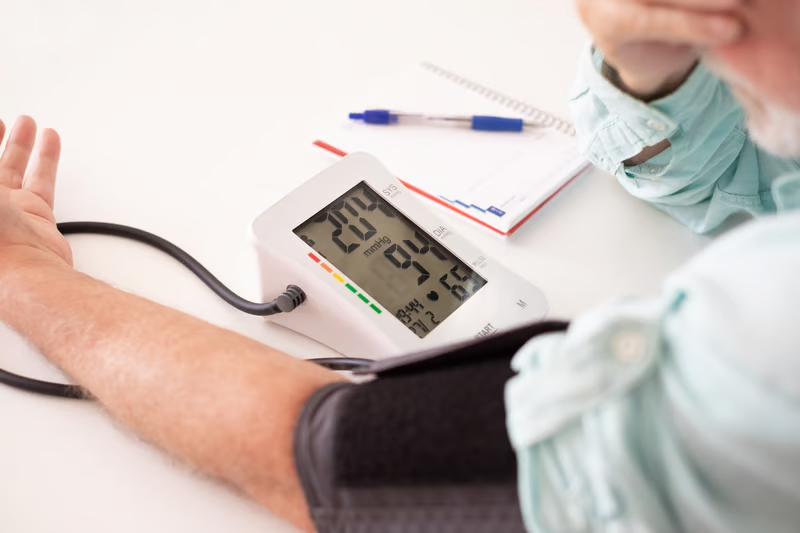
Blood pressure is one of those numbers most people hear at every doctor’s visit but rarely think about until something goes wrong. You sit down, a cuff wraps around your arm, the machine beeps, and a nurse scribbles two numbers on a chart. But what do those numbers actually mean? Are they telling you that your heart is working the way it should, or quietly warning you that something is off? Understanding your normal blood pressure reading is not just a medical formality. It is one of the most powerful things you can do to protect your long-term health, and it starts with knowing exactly what you are looking at.
Understanding the Two Numbers in Every Blood Pressure Reading
Every blood pressure reading comes with two numbers stacked on top of each other, and both of them matter. A lot of people only pay attention to one or assume that as long as the reading looks “okay,” they are fine. That kind of thinking can lead to years of unnoticed risk quietly building in the background.
What Systolic Pressure Tells You About Your Heart
The top number in a blood pressure reading is called systolic pressure. It measures the force your heart exerts against the walls of your arteries each time it contracts and pumps blood through your body. Think of it as the peak pressure moment, the instant when your heart is working its hardest. A healthy systolic number for most adults sits below 120 mmHg. When this number starts creeping toward 130 or above, it signals that your heart is pushing harder than it should, and that extra effort, sustained over months and years, quietly wears down your arteries and heart muscle.
What Diastolic Pressure Reveals Between Heartbeats
The bottom number is called diastolic pressure. It captures what happens between heartbeats, the resting phase, when your heart refills with blood before its next contraction. A healthy diastolic reading falls below 80 mmHg. This number is often underestimated, but it carries just as much clinical weight. Elevated diastolic pressure means your arteries are under tension even when your heart is at rest, which is a sign that your vascular system is not relaxing the way it should. Both numbers work together to paint a complete picture of cardiovascular health.
The Official Blood Pressure Categories Every Adult Should Know
Medical guidelines, including those from the American Heart Association, have established clear categories to help people understand where their readings fall and what level of attention those readings demand. Knowing these ranges is not about triggering anxiety. It is about staying informed so you can take the right steps at the right time.
Normal and Elevated: Where the Line Gets Drawn
A truly normal blood pressure reading for a healthy adult is anything below 120/80 mmHg. This is the range where your cardiovascular system is operating efficiently, your arteries have good flexibility, and your heart is not overworking. Once the systolic number climbs between 120 and 129 while the diastolic stays below 80, you enter the elevated category. Elevated blood pressure does not come with symptoms, and it does not yet meet the threshold for hypertension, but it is the body’s early warning signal. Ignoring it is like watching a small crack form in a dam and deciding not to patch it.
Stage 1 and Stage 2 Hypertension: When Numbers Demand Action
Stage 1 hypertension is diagnosed when readings consistently land between 130 to 139 systolic or 80 to 89 diastolic. At this stage, lifestyle changes become urgent and medication may be introduced depending on your overall cardiovascular risk profile. Stage 2 hypertension is more serious, defined by readings at or above 140/90 mmHg. This is the range where doctors typically recommend both lifestyle modifications and antihypertensive medication because the risk of heart attack, stroke, and kidney damage becomes significantly elevated. A hypertensive crisis, the most dangerous category, occurs when systolic pressure exceeds 180 or diastolic exceeds 120. That is a medical emergency requiring immediate care.
Why Your Blood Pressure Does Not Stay the Same All Day
Here is something that surprises many people: your blood pressure is not a fixed number. It fluctuates constantly throughout the day, and those fluctuations are completely normal. Understanding this helps you interpret your readings more accurately rather than panicking over a single high number or feeling falsely reassured by a single good one.
Daily Patterns and the Role of Circadian Rhythm
Blood pressure naturally follows a circadian rhythm. It tends to be at its lowest in the early morning hours while you are still sleeping and rises sharply when you wake up and start moving. This morning surge is actually the time when heart attacks and strokes are most common, which is why many cardiologists pay close attention to early morning readings. Throughout the day, pressure rises and falls in response to activity, meals, stress, and even posture. By late afternoon it typically peaks again before tapering off toward bedtime. This pattern is so consistent and well-documented that doctors refer to people whose pressure drops appropriately at night as “dippers” and those whose pressure stays elevated even during sleep as “non-dippers,” which carries its own set of risks.
How Emotions, Stress, and Physical Activity Affect Readings
Stress is one of the most immediate and powerful drivers of blood pressure elevation. When you are anxious, angry, or under pressure, your adrenal glands release cortisol and adrenaline, triggering a temporary spike in both systolic and diastolic numbers. Exercise also raises blood pressure during the activity itself, which is entirely normal and actually beneficial because it strengthens the heart over time. But if your resting blood pressure is already high, pushing into intense exercise without medical guidance can be risky. Even having your blood pressure checked in a clinical setting can artificially elevate your numbers. This is called white coat hypertension, a well-documented phenomenon where the stress of being in a doctor’s office causes a temporary spike that does not reflect your true baseline.
Expert Advice: What Cardiologists Say About Interpreting Your Numbers
Dr. Samuel Toles, a board-certified cardiologist with over two decades of clinical experience, often tells his patients that a single blood pressure reading is like a snapshot taken on a moving train. It captures one moment, but it does not tell you where the train is going. He recommends tracking readings over several days or weeks, ideally at the same time each day, using a validated home monitor, and bringing those records to your appointment rather than relying on one clinic measurement. He also emphasizes that context matters enormously. A reading of 138/88 after a stressful commute and a large coffee is very different from that same reading taken calmly after fifteen minutes of sitting quietly. What you are looking for is a pattern, not a single data point.
Factors That Influence What Is Normal for You Specifically
Blood pressure norms are not entirely one-size-fits-all. While the clinical thresholds apply broadly to healthy adults, several individual factors shift what is considered acceptable or concerning for a specific person.
Age, Sex, and How Blood Vessels Change Over Time
As people age, arteries naturally lose some elasticity. The walls become stiffer, and the heart has to generate more force to push blood through them. This is why slightly higher systolic readings are more common and somewhat expected in older adults. However, a higher number is never automatically safe just because someone is older. Women before menopause tend to have slightly lower blood pressure than men of the same age, partly due to estrogen’s protective effect on blood vessels. After menopause, that protection fades, and blood pressure often rises more rapidly in women, sometimes catching them off guard because they had always had healthy readings earlier in life.
Weight, Diet, and Lifestyle Habits That Move the Needle
Body weight has a direct relationship with blood pressure. Excess weight, particularly visceral fat around the abdomen, increases the volume of blood your heart must pump and also promotes inflammation and insulin resistance, both of which raise pressure. Sodium intake is equally critical. The kidneys regulate blood pressure in part by controlling fluid balance, and a high-sodium diet forces them to retain more water, increasing blood volume and pressure. Regular physical activity, on the other hand, lowers resting blood pressure over time by improving vascular flexibility and reducing the heart’s resting workload. Even modest changes, like a thirty-minute walk five days a week, can meaningfully reduce systolic pressure by five to eight mmHg in people with elevated readings.
How to Get an Accurate Blood Pressure Reading at Home
Home blood pressure monitoring has become one of the most recommended tools in modern chronic care management. It gives a far more complete picture than the occasional clinic visit, especially for people with white coat hypertension or those managing a diagnosed condition. But accuracy depends entirely on doing it correctly.
Choosing the Right Monitor and Cuff Size
Not all home monitors are created equal. The American Heart Association recommends validated upper-arm monitors over wrist devices because upper-arm readings are more consistent and accurate. Cuff size is critically important and often overlooked. A cuff that is too small will give falsely high readings, while one that is too large will give falsely low ones. Most monitors come with a standard adult cuff, but larger cuffs are available and necessary for people with larger arm circumferences. Before purchasing a monitor, check whether it has been independently validated through a recognized validation protocol, as many consumer-grade devices on the market have not been tested for clinical accuracy.
The Right Technique Makes All the Difference
Sit quietly for at least five minutes before taking a reading. Keep your feet flat on the floor, your back supported, and your arm at heart level. Do not cross your legs and do not talk during the measurement. Avoid caffeine, exercise, or smoking for at least thirty minutes beforehand. Take two readings, one to two minutes apart, and record both. Doing this at the same time each morning and evening for a week gives your doctor genuinely useful data and helps establish your true blood pressure pattern over time.
What Happens When Blood Pressure Stays Too Low
Most conversations about blood pressure focus on numbers that are too high, and for good reason. But abnormally low blood pressure, known as hypotension, also warrants attention. A reading below 90/60 mmHg is generally considered low. For some people with excellent cardiovascular fitness, low readings are completely normal and come with no symptoms. For others, low blood pressure causes dizziness, lightheadedness, fainting, and even dangerous falls. Orthostatic hypotension, a sudden drop in pressure when standing up quickly, is particularly common in older adults and those on certain medications. It is a less talked about but genuinely important aspect of blood pressure health.
Final Thought
Blood pressure is one of the most telling numbers your body produces, yet it is also one of the most misunderstood. It is not just a formality at the start of a doctor’s appointment. It is a real-time signal from your cardiovascular system about how hard it is working, how flexible your arteries are, and how close to the edge your heart is operating every single day. A normal blood pressure reading below 120/80 mmHg is not just a good grade on a chart. It is evidence that your body is in balance, and keeping it there is one of the most meaningful investments you can make in your long-term health. The encouraging truth is that blood pressure responds to the choices you make: what you eat, how you move, how you manage stress, and how consistently you pay attention. You do not have to wait for a diagnosis to start taking it seriously. Start tracking today, understand your numbers, and give your heart the informed attention it deserves.